Meet two Atlanta dads making a difference

The research Is clear: Fathers matter. Two local dads are making it their mission to offer fatherhood support and help dads thrive.
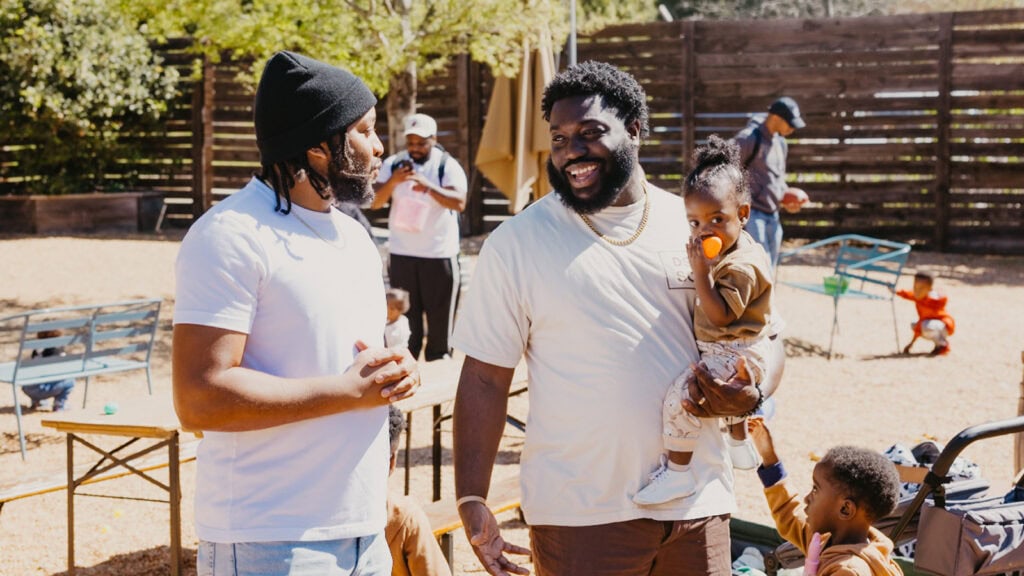
Two dads talk at a fatherhood support event at Daddy Stroller Social Club

A child’s well-being is deeply shaped by their dads — dads who act as their kids’ first teachers, advocates, and role models.

The research agrees: the role of engaged fathers can impact kids throughout their lives. According to the Fatherhood Project, children close to their dads are more likely to enroll in college or find employment, achieve higher results in math and reading, and experience fewer behavioral problems — all of which are linked to a child’s overall well-being.

Dads have the ability to change the trajectory of their children’s lives, setting them up to become the leaders of tomorrow. But from mental health barriers to a lack of knowledge on how to get involved, too many dads want to be more present for their families but lack the fatherhood support to know where to start.

This Father’s Day, meet two Atlanta dads who are working in partnership with United Way of Greater Atlanta to help other dads across our region become better fathers, for themselves and their families.

Lamont’s story: Leading from a place of listening for fatherhood support
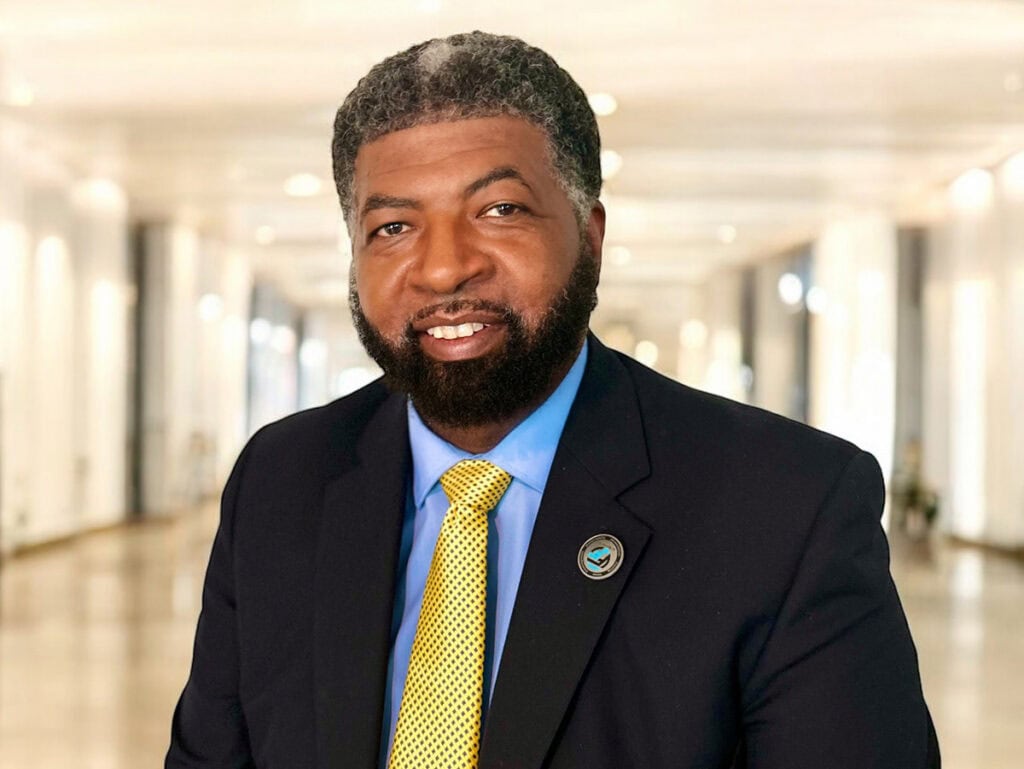
Lamont Jones, a retired New York City police detective and father of five, grew up without his father. His friend had a similar experience — his father was physically present, but often unavailable due to work. The two bonded over their shared experiences. They remember what it was like to grow up without a dad to teach them things like how to shave, the simple but meaningful things that make a difference in a kid’s life. Together, they started Furthering Fathering, an organization to help fathers show up differently for their children.

When Lamont moved to South Atlanta with his family, he brought the organization with him. Today, Furthering Fathering partners with United Way of Greater Atlanta to cultivate engaged fathers and offer fatherhood support to dads. He leads parent-centered trainings through our Fostering Family Leaders program to teach parents to become advocates in their children’s education. The trainings cover topics like child development milestones and school transitions, encouraging dads to step into leadership roles in advisory groups, community councils, and parent-teacher associations.

>> RELATED: Strong readers, stronger futures

He recruits fathers where they already are: Head Start programs, barbershops, and other neighborhood gathering spaces.

But Lamont’s leadership approach starts at home. He remembers a moment from his own parenting that “hit him like a ton of bricks.” His son asked him why he didn’t greet him or ask about his day. Before, Lamont described his parenting style as closely resembling what he called police officer mode, but now he had to take off his detective hat and step into fathering mode to be a more engaged father, something he never had himself growing up.

He carries over this listening-first approach into his work with the dads in our program.

“I became an avid listener to hear the hearts of my kids,” Lamont said. “And that’s where I am with Furthering Fathering too. It’s not just me telling [other dads] all my wisdom — I want to hear first what’s on their heart so they don’t close down.”

By leading with empathy and listening, Lamont is helping redefine what engaged fatherhood looks like, one conversation at a time.

Myer’s story: Paternal mental health matters
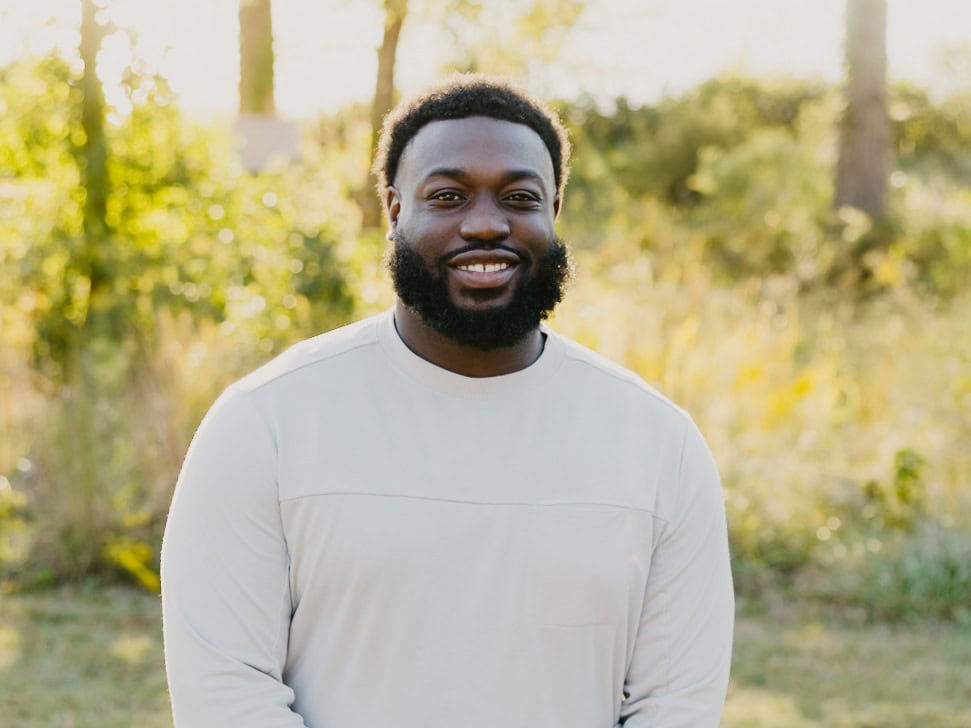
For Myer Krah, fatherhood advocacy is also deeply personal.

As the leader of Atlanta’s Daddy Stroller Social Club and father of four sons and a daughter, Myer is helping to shine a light on an issue rarely discussed or studied: postpartum depression in dads.

He partnered with the organization’s founder Kalvin Bridgewater in Dallas to bring the initiative to Atlanta, creating a monthly meetup where fathers can connect, learn, and talk openly about their experiences.

Every month, the group goes to local parks for walks, called strides, but the impact spills over into the relationships that form outside the official groups.

“You come for the stride, but you stay for the brotherhood,” Myer said. He pointed out how many men lose built-in community after childhood and adolescence, when the sports teams, locker room chats, and school clubs end.

“Once you step into adulthood, you lose that locker room. It’s work, then back to home, then back to work. You start to lose that brotherhood—and it happens very fast,” he said. Daddy Stroller Social Club intentionally creates that space again, but instead of forming around a shared activity or interest, it’s one that goes deeper, built on authenticity, openness, and wellness in fatherhood.

At United Way of Greater Atlanta’s recent Justice & Joy Maternal Health Expo, Myer spoke about paternal mental health and a term that still lacks widespread awareness, patrescence perinatal adjustment: the psychological transition men experience as they become fathers.

“There’s this nine-month trend that’s happening and no one is talking about it,” Myer explained. According to a study by UT Southwest Medical Center, 1 in 10 fathers will experience paternal postpartum depression and anxiety — but that number may be underreported.

While it can mirror maternal postpartum depression, symptoms in fathers often show up differently. Triggers include financial pressure, fear of repeating negative family patterns, or difficulty expressing anxiety before a child even arrives. It can lead to withdrawal or frustration — though it’s often mislabeled simply as “stress.” That’s why it’s so important to Myer to partner with organizations like United Way of Greater Atlanta to support holistic family wellness. Because when dads are well, they can be better advocates for mothers during birth and better support for their kids, too.

>> RELATED: Trusted voices, healthier futures

Despite the lack of research on the topic, Myer found that what most dads need but lack is connection.

At the stroller meetups, that happens naturally. Dads, some of whom are bringing their kids out without mom for the first time, show up for each other, from passing a diaper to watching a kid to sharing openly about their experiences.

Since starting last year, more than 200 engaged fathers have joined the group’s community chat, and it’s still growing.

“You walk around the park together and by the time you get back, you can literally see the difference. The shoulders come down, the guys are chit-chatting and passing around numbers,” said Myer. “They felt something familiar they didn’t know that they were missing, but it’s helping.”

Uplifting dads, uplifting communities

This Father’s Day, we’re honored to celebrate these two men who are transforming what it means to show up and support the next generation. Between helping other dads become more involved in their child’s education and connecting them to resources for their own struggles, Myer and Lamont’s work is strengthening fathers across Greater Atlanta — and the families who depend on them.

When fathers are present and engaged, children are more likely to thrive in the classroom, in their relationships, and in life. Fatherhood is not a supporting role. It is foundational to a child’s future.

And United Way of Greater Atlanta is here to help, both standing in the gaps for families like Lamont’s, who grew up without a father, to supporting organizations like Myer’s, that help fathers grow stronger. By offering fatherhood support, we can create stronger families and uplift entire communities — donate today to support dads, families, and the communities around them.

Thank you !

A child’s well-being is deeply shaped by their dads — dads who act as their kids’ first teachers, advocates, and role models.

The research agrees: the role of engaged fathers can impact kids throughout their lives. According to the Fatherhood Project, children close to their dads are more likely to enroll in college or find employment, achieve higher results in math and reading, and experience fewer behavioral problems — all of which are linked to a child’s overall well-being.

Dads have the ability to change the trajectory of their children’s lives, setting them up to become the leaders of tomorrow. But from mental health barriers to a lack of knowledge on how to get involved, too many dads want to be more present for their families but lack the fatherhood support to know where to start.

This Father’s Day, meet two Atlanta dads who are working in partnership with United Way of Greater Atlanta to help other dads across our region become better fathers, for themselves and their families.

Lamont’s story: Leading from a place of listening for fatherhood support

Lamont Jones, a retired New York City police detective and father of five, grew up without his father. His friend had a similar experience — his father was physically present, but often unavailable due to work. The two bonded over their shared experiences. They remember what it was like to grow up without a dad to teach them things like how to shave, the simple but meaningful things that make a difference in a kid’s life. Together, they started Furthering Fathering, an organization to help fathers show up differently for their children.

When Lamont moved to South Atlanta with his family, he brought the organization with him. Today, Furthering Fathering partners with United Way of Greater Atlanta to cultivate engaged fathers and offer fatherhood support to dads. He leads parent-centered trainings through our Fostering Family Leaders program to teach parents to become advocates in their children’s education. The trainings cover topics like child development milestones and school transitions, encouraging dads to step into leadership roles in advisory groups, community councils, and parent-teacher associations.

>> RELATED: Strong readers, stronger futures

He recruits fathers where they already are: Head Start programs, barbershops, and other neighborhood gathering spaces.

But Lamont’s leadership approach starts at home. He remembers a moment from his own parenting that “hit him like a ton of bricks.” His son asked him why he didn’t greet him or ask about his day. Before, Lamont described his parenting style as closely resembling what he called police officer mode, but now he had to take off his detective hat and step into fathering mode to be a more engaged father, something he never had himself growing up.

He carries over this listening-first approach into his work with the dads in our program.

“I became an avid listener to hear the hearts of my kids,” Lamont said. “And that’s where I am with Furthering Fathering too. It’s not just me telling [other dads] all my wisdom — I want to hear first what’s on their heart so they don’t close down.”

By leading with empathy and listening, Lamont is helping redefine what engaged fatherhood looks like, one conversation at a time.

Myer’s story: Paternal mental health matters

For Myer Krah, fatherhood advocacy is also deeply personal.

As the leader of Atlanta’s Daddy Stroller Social Club and father of four sons and a daughter, Myer is helping to shine a light on an issue rarely discussed or studied: postpartum depression in dads.

He partnered with the organization’s founder Kalvin Bridgewater in Dallas to bring the initiative to Atlanta, creating a monthly meetup where fathers can connect, learn, and talk openly about their experiences.

Every month, the group goes to local parks for walks, called strides, but the impact spills over into the relationships that form outside the official groups.

“You come for the stride, but you stay for the brotherhood,” Myer said. He pointed out how many men lose built-in community after childhood and adolescence, when the sports teams, locker room chats, and school clubs end.

“Once you step into adulthood, you lose that locker room. It’s work, then back to home, then back to work. You start to lose that brotherhood—and it happens very fast,” he said. Daddy Stroller Social Club intentionally creates that space again, but instead of forming around a shared activity or interest, it’s one that goes deeper, built on authenticity, openness, and wellness in fatherhood.

At United Way of Greater Atlanta’s recent Justice & Joy Maternal Health Expo, Myer spoke about paternal mental health and a term that still lacks widespread awareness, patrescence perinatal adjustment: the psychological transition men experience as they become fathers.

“There’s this nine-month trend that’s happening and no one is talking about it,” Myer explained. According to a study by UT Southwest Medical Center, 1 in 10 fathers will experience paternal postpartum depression and anxiety — but that number may be underreported.

While it can mirror maternal postpartum depression, symptoms in fathers often show up differently. Triggers include financial pressure, fear of repeating negative family patterns, or difficulty expressing anxiety before a child even arrives. It can lead to withdrawal or frustration — though it’s often mislabeled simply as “stress.” That’s why it’s so important to Myer to partner with organizations like United Way of Greater Atlanta to support holistic family wellness. Because when dads are well, they can be better advocates for mothers during birth and better support for their kids, too.

>> RELATED: Trusted voices, healthier futures

Despite the lack of research on the topic, Myer found that what most dads need but lack is connection.

At the stroller meetups, that happens naturally. Dads, some of whom are bringing their kids out without mom for the first time, show up for each other, from passing a diaper to watching a kid to sharing openly about their experiences.

Since starting last year, more than 200 engaged fathers have joined the group’s community chat, and it’s still growing.

“You walk around the park together and by the time you get back, you can literally see the difference. The shoulders come down, the guys are chit-chatting and passing around numbers,” said Myer. “They felt something familiar they didn’t know that they were missing, but it’s helping.”

Uplifting dads, uplifting communities

This Father’s Day, we’re honored to celebrate these two men who are transforming what it means to show up and support the next generation. Between helping other dads become more involved in their child’s education and connecting them to resources for their own struggles, Myer and Lamont’s work is strengthening fathers across Greater Atlanta — and the families who depend on them.

When fathers are present and engaged, children are more likely to thrive in the classroom, in their relationships, and in life. Fatherhood is not a supporting role. It is foundational to a child’s future.

And United Way of Greater Atlanta is here to help, both standing in the gaps for families like Lamont’s, who grew up without a father, to supporting organizations like Myer’s, that help fathers grow stronger. By offering fatherhood support, we can create stronger families and uplift entire communities — donate today to support dads, families, and the communities around them.

Thank you for contacting us.
We have received your message and will get back to you shortly.

Thank you.

Meet two Atlanta dads making a difference

[]

Thank you for contacting us.

We have received your message and will get back to you soon!

Contact us