Fighting food insecurity takes all of us — here’s how to help

From access to affordability, solving hunger happens together
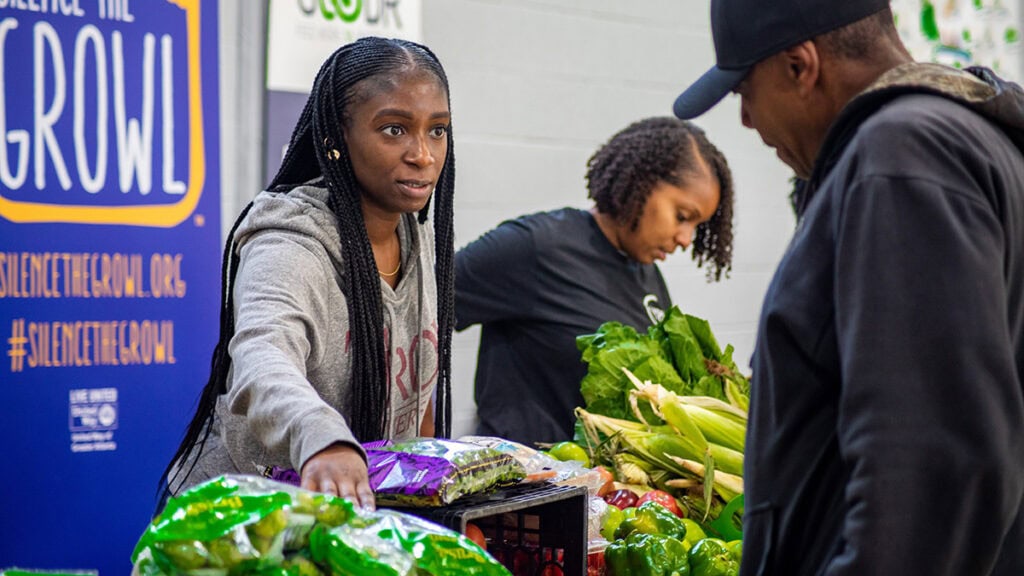
Woman volunteer giving out fresh produce to a man at a free food distribution site in Atlanta

You don’t have to be hungry every day to be food insecure. In fact, many families facing food insecurity are employed, housed, and doing their best to get by — yet still unsure where their next meal will come from.

What is food insecurity?

Food insecurity, as defined by the USDA, is when families don’t have stable access to the food they need in order to live a healthy, active life. In real life, food insecurity often shows up in quiet, everyday ways. It can look like skipped meals, stretched groceries, and tough choices at the checkout line. Food insecurity is often invisible, but its impact is deeply felt.

According to United for ALICE, 1 in 8 families in the South experience food insecurity. But 57% of these families do not qualify for Supplemental Nutrition Assistance Program (SNAP) benefits and receive no government assistance to purchase food.

Over time, food insecurity goes beyond mealtime and begins to affect health, learning, and opportunity. Those who experience it long-term become more at risk for a number of consequences, including:

  • For children, developmental delays and poor academic performance
  • In adults, chronic conditions like diabetes, heart disease, and hypertension
  • Malnutrition or obesity, due to an overreliance on cheaper, processed foods
  • Mental health concerns due to anxiety, stress, or social stigma
  • Social and economic strain from making trade-offs on other expenses to cover food costs

>> RELATED: Frozen Benefits, Empty Freezers

Every month, United Way of Greater Atlanta connects thousands of local families to food pantries near them through our 211 Contact Center, where food is one of our top three requests throughout the year. These thousands of families shouldn’t have to wonder where their next meal comes from. Here are several ways our community can work to help solve food insecurity.

Bringing food closer to home

You may think of Atlanta as a city with lots of grocery store options, but some neighborhoods are still “food deserts,” where a third of the population lives more than a mile from a grocery store. In these neighborhoods, a lack of transportation can prevent families from accessing food.

United Way of Greater Atlanta helps research and pilot innovative solutions to bring affordable, healthy food closer to places families already frequent. For example, in 2024 we helped expand MARTA Markets, putting fresh produce in train stations. This year, we’ve also partnered with Community Farmers Markets to bring free produce markets to Title I elementary schools.

>> LEARN MORE: Mini Farmers Markets Arrive at APS Schools

Finally, we support free summer school programs so kids across our region are not just learning during the summer, but avoiding summer food insecurity too. Many families rely on snacks and lunches at school to help meet their nutritional needs, so by supporting summer education programming, we’re also keeping kids fed.

Rescuing food before it’s wasted

Despite the number of families across our region experiencing food insecurity, we waste over 72 billion pounds of edible food in the United States every year, from unharvested farm produce to unused food in people’s fridges. Redirecting even a small fraction of this waste could feed millions of families each year.

“Hunger isn’t a matter of scarcity, it’s a matter of logistics,” said Jasmine Crowe-Houston, founder of Goodr.

At United Way of Greater Atlanta, we partner with organizations like Goodr and Concrete Jungle to help discarded food reach people facing food insecurity. To date, these organizations have rescued 8 million pounds of food that would have otherwise been wasted, instead giving it to those in need.

In 2017, Jasmine won our SPARK Prize competition and received funding to help bring her vision for Goodr to life. Now she’s helping the community every day through Pop-Up Markets, Snap Packs, Meal Delivery, and Grocery Stores.

Supporting local food pantries

Food pantries act as the first line of defense for families facing hunger. You can have a large impact on the community by volunteering to help sort, stock, or deliver food with one of our food pantry partners:

Making food more affordable

Often, food insecurity is not an access issue — it’s an affordability issue. As long as the cost of the basics continues to outpace what more than a third of families in our region can afford on their income, families will continue to make tough choices at the grocery store.

At United Way of Greater Atlanta, we’re not just working to alleviate hunger in the short-term, but also combating the root of the problem. When young adults build careers or go to college, families can build a savings safety net, and childcare becomes affordable so parents can work, putting food on the table becomes one less impossible choice. That’s why financial security is essential to ending hunger for good.

>> LEARN MORE: Situational vs. Generational Poverty

For kids to be able to learn in school, sleep through the night, and grow healthy and strong, food is essential. Every child deserves to eat. It’s one of our most basic needs. For 1 in 7 not knowing where their next meal will come from? It’s unacceptable — and we’re thankful for our partners, volunteers, and supporters who agree.

Ending food insecurity is a choice we can make together. To help make sure kids and families have access to the essentials like healthy food, you can support our work and donate today.

Thank you !

You don’t have to be hungry every day to be food insecure. In fact, many families facing food insecurity are employed, housed, and doing their best to get by — yet still unsure where their next meal will come from.

What is food insecurity?

Food insecurity, as defined by the USDA, is when families don’t have stable access to the food they need in order to live a healthy, active life. In real life, food insecurity often shows up in quiet, everyday ways. It can look like skipped meals, stretched groceries, and tough choices at the checkout line. Food insecurity is often invisible, but its impact is deeply felt.

According to United for ALICE, 1 in 8 families in the South experience food insecurity. But 57% of these families do not qualify for Supplemental Nutrition Assistance Program (SNAP) benefits and receive no government assistance to purchase food.

Over time, food insecurity goes beyond mealtime and begins to affect health, learning, and opportunity. Those who experience it long-term become more at risk for a number of consequences, including:

  • For children, developmental delays and poor academic performance
  • In adults, chronic conditions like diabetes, heart disease, and hypertension
  • Malnutrition or obesity, due to an overreliance on cheaper, processed foods
  • Mental health concerns due to anxiety, stress, or social stigma
  • Social and economic strain from making trade-offs on other expenses to cover food costs

>> RELATED: Frozen Benefits, Empty Freezers

Every month, United Way of Greater Atlanta connects thousands of local families to food pantries near them through our 211 Contact Center, where food is one of our top three requests throughout the year. These thousands of families shouldn’t have to wonder where their next meal comes from. Here are several ways our community can work to help solve food insecurity.

Bringing food closer to home

You may think of Atlanta as a city with lots of grocery store options, but some neighborhoods are still “food deserts,” where a third of the population lives more than a mile from a grocery store. In these neighborhoods, a lack of transportation can prevent families from accessing food.

United Way of Greater Atlanta helps research and pilot innovative solutions to bring affordable, healthy food closer to places families already frequent. For example, in 2024 we helped expand MARTA Markets, putting fresh produce in train stations. This year, we’ve also partnered with Community Farmers Markets to bring free produce markets to Title I elementary schools.

>> LEARN MORE: Mini Farmers Markets Arrive at APS Schools

Finally, we support free summer school programs so kids across our region are not just learning during the summer, but avoiding summer food insecurity too. Many families rely on snacks and lunches at school to help meet their nutritional needs, so by supporting summer education programming, we’re also keeping kids fed.

Rescuing food before it’s wasted

Despite the number of families across our region experiencing food insecurity, we waste over 72 billion pounds of edible food in the United States every year, from unharvested farm produce to unused food in people’s fridges. Redirecting even a small fraction of this waste could feed millions of families each year.

“Hunger isn’t a matter of scarcity, it’s a matter of logistics,” said Jasmine Crowe-Houston, founder of Goodr.

At United Way of Greater Atlanta, we partner with organizations like Goodr and Concrete Jungle to help discarded food reach people facing food insecurity. To date, these organizations have rescued 8 million pounds of food that would have otherwise been wasted, instead giving it to those in need.

In 2017, Jasmine won our SPARK Prize competition and received funding to help bring her vision for Goodr to life. Now she’s helping the community every day through Pop-Up Markets, Snap Packs, Meal Delivery, and Grocery Stores.

Supporting local food pantries

Food pantries act as the first line of defense for families facing hunger. You can have a large impact on the community by volunteering to help sort, stock, or deliver food with one of our food pantry partners:

Making food more affordable

Often, food insecurity is not an access issue — it’s an affordability issue. As long as the cost of the basics continues to outpace what more than a third of families in our region can afford on their income, families will continue to make tough choices at the grocery store.

At United Way of Greater Atlanta, we’re not just working to alleviate hunger in the short-term, but also combating the root of the problem. When young adults build careers or go to college, families can build a savings safety net, and childcare becomes affordable so parents can work, putting food on the table becomes one less impossible choice. That’s why financial security is essential to ending hunger for good.

>> LEARN MORE: Situational vs. Generational Poverty

For kids to be able to learn in school, sleep through the night, and grow healthy and strong, food is essential. Every child deserves to eat. It’s one of our most basic needs. For 1 in 7 not knowing where their next meal will come from? It’s unacceptable — and we’re thankful for our partners, volunteers, and supporters who agree.

Ending food insecurity is a choice we can make together. To help make sure kids and families have access to the essentials like healthy food, you can support our work and donate today.

Thank you for contacting us.
We have received your message and will get back to you shortly.

Thank you.

Fighting food insecurity takes all of us — here’s how to help

[]

Thank you for contacting us.

We have received your message and will get back to you soon!

Contact us