
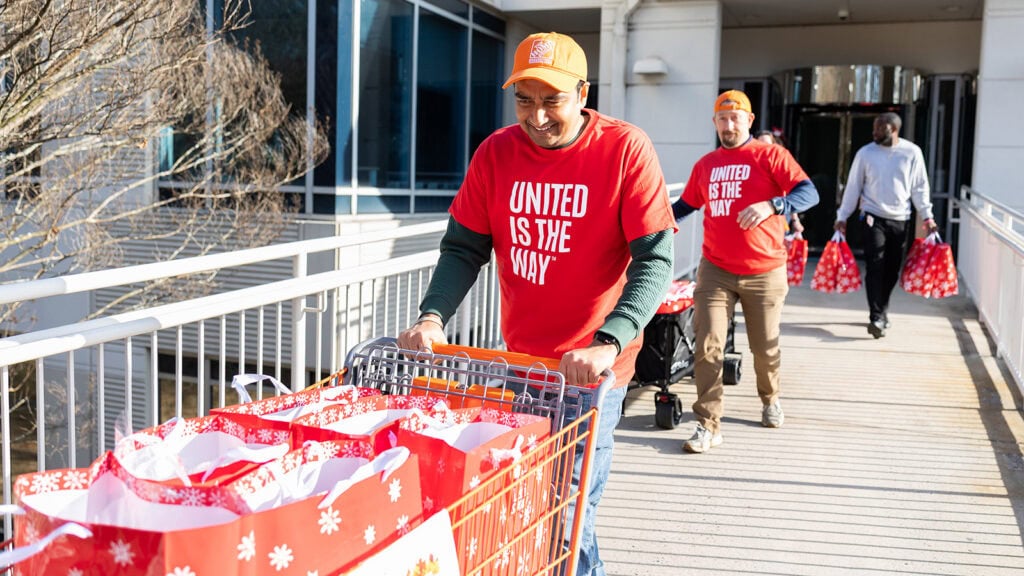
Are you or your company considering whether to implement a corporate social responsibility strategy? Across Greater Atlanta, businesses of all sizes are investing in the communities where they operate and discovering that social impact and business success can go hand in hand.
Corporate giving is one of the fastest-growing segments of philanthropy. In 2024, corporate giving reached approximately $44.4 billion, growing more than 9% year-over-year and outpacing overall charitable giving growth.
Long-term success can’t be measured just by profit. Strong businesses also invest in their employees, customers, and the communities in which they operate. That’s why corporate social responsibility has become an essential part of modern business strategy — and why United Way of Greater Atlanta is here to help you implement a corporate social responsibility program in your business.
What does corporate social responsibility mean?
At its core, corporate social responsibility (CSR) refers to a company’s commitment to leave the community in which it operates better than it found it. Many corporations set CSR goals and hold them to be just as important as their bottom line.
“It all goes back to corporate social responsibility — this idea that a corporation is using resources, using space, using everything that we’re using, but on a higher level. It’s an expectation and an obligation that if you’re in our neighborhood, you need to be doing something for that neighborhood, giving back to help support that community,” said Troy Parker, Senior Director of Corporate Relations at United Way of Greater Atlanta.
RELATED: Get involved with United Way of Greater Atlanta
In practice, corporate social responsibility can take many forms. You can create a corporate social responsibility strategy that is custom-fit to your own company values and goals through:
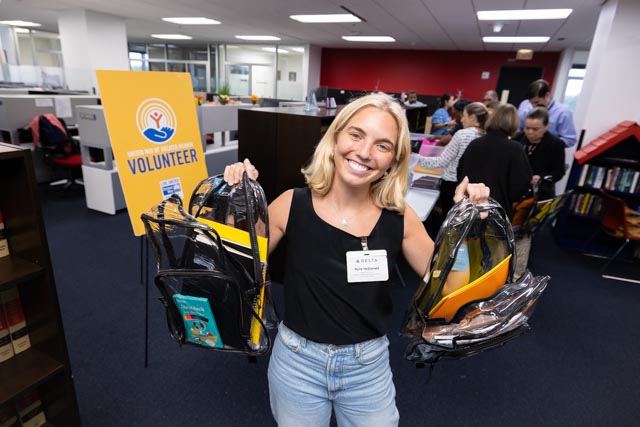
- Offering employee volunteer opportunities
- Matching employee charitable donations
- Supporting local nonprofits through grants and sponsorships
- Investing in education, workforce development or other community initiatives
- Sourcing supplies from ethical manufacturers
Launching a corporate social responsibility program doesn’t require a massive budget or an entire team dedicated to community engagement. Many successful programs begin with a single initiative that reflects a company’s values and employee interests. The easiest way to start is to secure buy-in from company leadership and then working with a nonprofit organization’s corporate partnership liaison, like United Way of Greater Atlanta’s team, to achieve your goals.
Why is corporate social responsibility important?
As you consider starting a CSR program, it’s important to realize that corporate social responsibility is important not only to the surrounding community but can also benefit your company’s own operations.
Consumers vote with their wallets, and many prefer to support businesses that align with their values. When companies demonstrate a genuine commitment to making a difference, they build trust with customers, strengthen employee engagement, and deepen their connection to the communities they serve.
If you’re looking for a case to launch CSR initiatives at your own company, here are some proven benefits of a robust CSR strategy that extend far beyond philanthropy:
-
Stronger customer trust and brand reputation
76% of consumers say they would stop buying from a company that treats employees, communities, or the environment poorly. When companies invest in causes that matter, customers are more likely to view them as trustworthy and authentic.
-
Higher employee engagement
Employees who see the organization they work for as aligning with their values are more likely to be engaged and satisfied in the workplace.
- 86% of employees prefer to work for companies that support causes they care about, says PwC.
- 71% of employees say it’s important to work for a company that supports giving and volunteering according to research by Re:Charity.
-
Improved employee retention
One study on CSR practices compared the turnover rates of employees who had the opportunity to participate in social impact initiatives and those that did not. Participation in CSR initiatives cut the employee turnover rate in half — which could ultimately reduce recruitment costs.
In today’s market, companies can’t afford not to think about their impact. Corporate social responsibility has evolved from a nice-to-have program into a core strategy for talent recruitment, retention, and brand trust.
“When a company shows their employees that they do want to give back, that creates more loyalty to that company. The partnership goes deeper than just dollars. We are helping sustain companies, sustain our communities, and make us all stronger,” said Troy.
Why corporate social responsibility matters in Atlanta
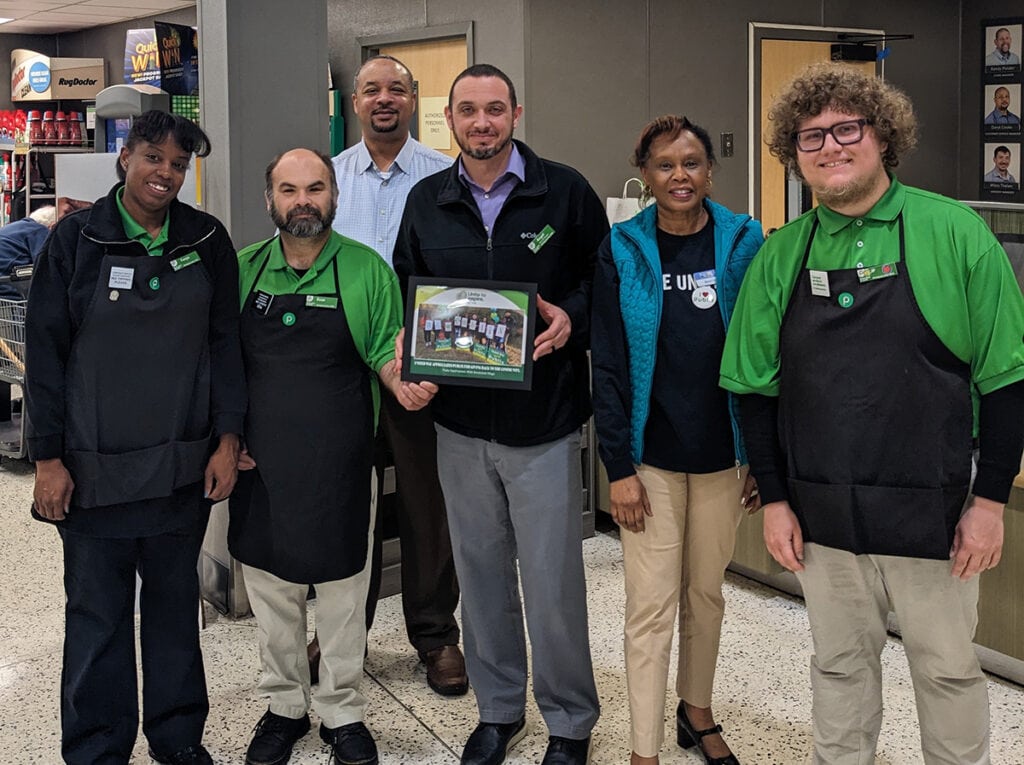
Companies across Atlanta are giving back to their communities through corporate social responsibility practices. Ranked the #1 place to do business for 12 years in a row, Atlanta is home to 29 Fortune 1000 companies, including several giants like Home Depot, The Coca-Cola Company, Delta Air Lines, UPS, and Global Payments.
Yet many families continue to face challenges that don’t match the region’s economic success. Greater Atlanta is ranked last place in economic mobility compared to metro areas across the nation according to a study by Raj Chetty and our state placed in the bottom quartile for child well-being in The Annie E. Casey Foundation’s 2026 Kids Count report.
READ MORE: Georgia families struggle to afford basics
That’s the paradox of Atlanta: we are home to incredible corporate growth and innovation, yet too many children and families remain disconnected from opportunity. If we want to continue to have a thriving economic landscape in Atlanta for the future of our workforce, we have to address some of these challenges. 14,000 young adults in Greater Atlanta are not in school or working, and because of this, our state will soon face a workforce crisis. According to SREB’s Georgia’s Economic Outlook report, there will be too little trained talent to meet employer demand as soon as the year 2030.
Businesses depend on healthy, thriving communities to provide future employees, customers, and economic opportunity. By investing in education, workforce development, and family stability, companies help build the talent pipeline they will rely on in the future. Corporate social responsibility allows businesses to address community challenges while strengthening the long-term health of the regions where they operate.
How United Way of Greater Atlanta can help you start a corporate social responsibility program
If you are looking to strengthen or start your corporate social responsibility strategy, United Way of Greater Atlanta provides trusted opportunities to make a meaningful impact. For more than 120 years, we’ve partnered with businesses across the region to translate their CSR goals into measurable community outcomes.
United Way of Greater Atlanta can help bring your CSR goals to life through year-round employee engagement opportunities, volunteer activations, and guidance on maximizing your tax incentives or end-of-year surplus giving. We also help tell the story of your investment, connecting your support to real outcomes and the lives changed through our partnership.
Whether you’re passionate about a specific issue, like education or homelessness, or want to become a strategic investor in the overall wellbeing of kids in our region, we’re here to help you make an impact.
LEARN MORE: Business partnerships at United Way of Greater Atlanta
If you’re ready to get involved, connect with our Corporate Relations team to learn how your organization can support the causes that matter most, while strengthening employee engagement, solidifying your company’s legacy of giving, and creating a stronger future workforce in the communities in which you invest.
And if you’re not a corporate leader but still believe in creating opportunities, you can make a difference too by giving today. Your donation creates a brighter future for children and families who need it most, which means a brighter future for our region. Thank you for supporting Greater Atlanta!