Class is in session! The subject? Mental health.

For students facing unseen struggles, SPARK offers a lifeline
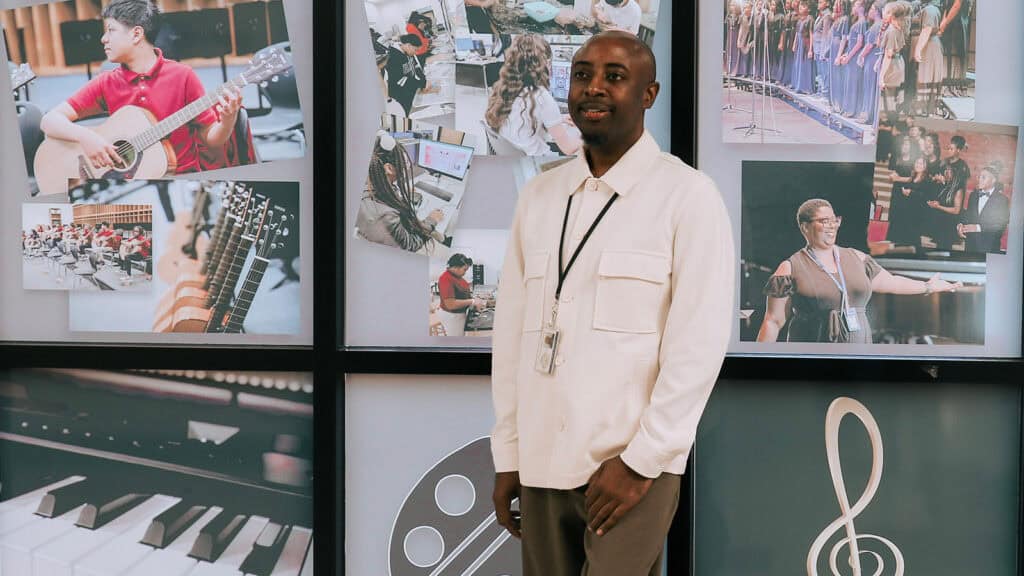
School mental health support worker stands by a mural of the students he serves
Vinson Starr, Mental Health Captain, poses in front of photos of the students he serves every day through our SPARK partnership with Clayton County Public Schools

Walk into any school across Greater Atlanta, and you’ll see students carrying more than backpacks. They’re managing worries, responsibilities, and emotional weight that follow them into the classroom each day. Poor mental health can pour over into other areas of these students’ lives—behavior, school attendance, relationships, and academic success. 

“These challenges are not new, but they’re becoming bigger,” said licensed professional counselor Dr. Willie Jones. “We’re having more kids having these challenges doing all kinds of things to numb the emotional pain.” 

How can schools help with mental health? In Clayton County, a new partnership is helping students feel supported before their challenges become a crisis, setting an example of what it could look like if mental health were truly for everybody.  

In 2020, United Way of Greater Atlanta launched the Schools Partnering to Advance Wellness, Resilience, and Knowledge (SPARK) initiative with Clayton County Public Schools to bring mental health support in schools, as a part of our work to tackle interconnected barriers to child well-being.  The program offers a range of school-based mental health services, from school-wide self-care activities to no-cost individual therapy sessions, and the impacts are felt in the classroom and beyond. 

>> LEARN MORE: Brighter Futures: United Way of Greater Atlanta’s place-based work 

“United Way has changed the trajectory of thousands of students’ lives,” said Dr. Cheri-Ann Taylor, Director of Student Behavioral Health and Well-Being at Clayton County Schools. “It strengthens our district’s entire ecosystem of supports, ensuring that every child, regardless of background or barriers, has access to mental health services that can change the course of their life.” 

School based mental health services for everyone 

SPARK’s Student Behavioral Health Specialist team acts as the first line of support to students. Many counties have similar roles, but those tend to focus solely on attendance—the SPARK program is unique because it actually incorporates mental health education into the fabric of the school experience.  

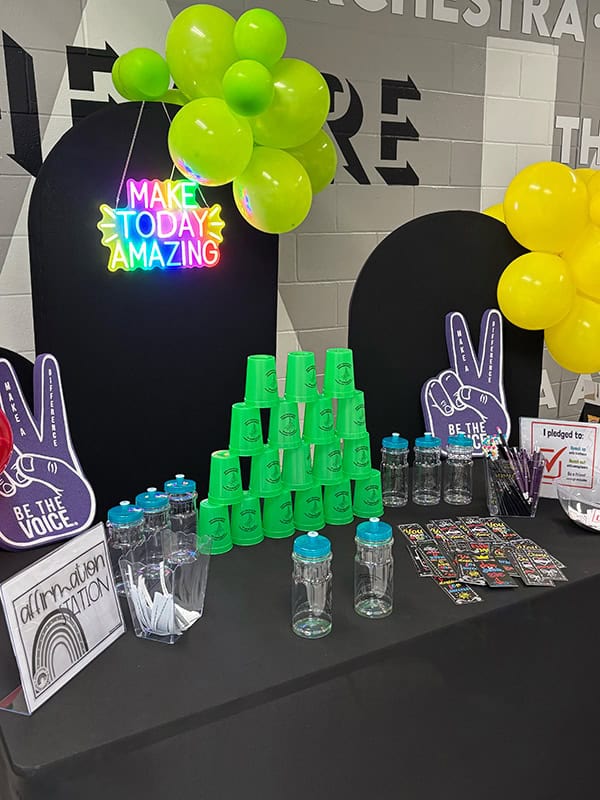
The team visits schools for “Thrive Times,” school-wide wellness-focused activities to build students skills in areas like healthy relationships, bullying prevention, conflict resolution, and self-regulation. They also host parent education sessions and even create dedicated wellness rooms to support the mental health of teachers too.   

“For people, especially parents, when you hear therapy or referral, it can be scary. We try to make it fun and do monthly activities centered around mental health to not have that negative stigma,” explained Student Behavioral Health Specialist Ashley Davis. 
For students who may need additional support based on behaviors teachers notice during their lessons, the team will also host a series of small group workshops.  

“After six weeks, we could see progress within the classroom,” said another Behavioral Health Specialist on the SPARK team, Aniya Allen. “A kid may make a mistake and want to yell out, but instead we’ll see them pick up their coping skills—they’ll pick up their stress ball or ask the teacher to take a moment outside.” 

These early interventions have led to a 15% reduction in K–2 referrals for behavioral evaluations across Clayton County Public Schools over the course of implementation, showing that supporting emotional and behavioral needs before they escalate can make a difference across the district. 

When stress balls aren’t enough 

Sometimes though, students need a more individual approach. According to Clayton County middle school counselors Dr. Jacqueline Cook and Nicole Darling, many students know they need support but can’t find the words to express what’s bothering them. Sometimes, they’re afraid of disappointing someone or even themselves. As school counselors, they work on building rapport by being a steady presence in the building. And when students need more intensive help, they lean on that rapport to explain what therapy is, and how it can make a difference. 

“We explain to them, sometimes you have all these different things going on in your head… that therapist is going to help you process those thoughts and streamline those thoughts,” said Dr. Cook.  

“Students see those balls rolling of how this could really help them because ‘I am worried about maybe something to eat. I am worried about homework. I am worried about football. I got all this just jumbled up.’ When we talk about, ‘let’s separate this, let’s process this, and that’s what therapy is about,’ they get it. They’re like ‘oh no, I do want that. I do want somebody to talk to.’” 

Dr. Willie Jones’s practice, Stepping Stones Intervention Services, works with Clayton County elementary and middle school students who have been referred through our SPARK partnership. He oversees a team of therapists who have seen 107 Clayton County students so far this year, in their office, virtually, and even in the school buildings, so transportation is not a barrier. 

His practice is just one of many that partner with us—our SPARK program has covered therapy for more than 5,000 uninsured students since 2020, sessions that without insurance would cost upwards of $150 per week.  

“When you don’t have insurance and we’re not able to bill through the schools, those kids won’t get any services, and a lot of times, those are the kids that really need it,” explained Dr. Jones. “There are also cases where you have hardworking parents with high deductibles and still can’t afford to pay for the services that are needed for their children. Usually those people are working all the time, so those kids are missing out on both parental time, and time to talk to a person who specializes in talking.”  

Before SPARK began, schools had no centralized way to connect students with mental health providers. Now, the funding and paperwork are handled directly through the schools, so that no students are denied services because of insurance status. 

“It honestly helps me sleep at night,” said Dr. Cook. “Having counselors feel comfortable coming in to speak with our kids has been amazing. Before SPARK, we didn’t have that centralized location where we could go. When we’d offer our parents different community providers, we didn’t know if they saw them. The SPARK program ensures kids get the help and support they need.” 

Clayton: A county that cares 

When deciding where to launch this district-wide partnership to put mental health support in schools, we started where we always do: in neighborhoods where our Child Well-Being Index® data shows that removing barriers to opportunity can make the greatest impact.  

In Clayton County, 32% of students—compared to 15% in our region—are forced to move during the school year, disrupting their learning process and impacting their mental health. 60% of families in the county make less than what is needed to cover basic necessities, 22 percentage points higher than Greater Atlanta as a whole.  

But another thing about Clayton stands out, and that is its deep care for the mental health and well-being of its children.  

>> RELATED: Forest Park Residents Steer Change 

Vinson Starr, the Mental Health Captain on the Behavioral Health specialist team, is a graduate of Clayton County Public Schools himself. “Clayton County has been good to me. They provide a lot of resources,” he said. 

“Mental health changes the trajectory of their academic achievements,” said Behavioral Health Specialist Ashley Davis. “A part of our mission statement is being able to have our kids globally ready to compete in the world. Not just out of Clayton County, not out of 285, but to be able to compete anywhere in the world because of the support, dedication, and love you got from Clayton County.” 

When you step back and look at a district-wide problem like student mental health, especially in the context of high poverty and frequent student mobility, progress can be hard to see. But for the entire SPARK team, those small victories are real, and they’re showing up in classrooms across the district. 

For Dr. Taylor, head of the program, it’s success stories like reaching a student who was at risk of expulsion due to behavior that she knew was deeply connected to trauma and untreated mental health needs. The SPARK program made sure that student received help, and could stay in school, changing the trajectory of their life. 

For school counselors Dr. Cook and Ms. Darling, it’s having students take agency over their own wellness, proactively coming to their office for advice or to ask when their next appointment is. It’s when parents come back to tell them, “Thank you.”  

And sometimes, it’s as simple as walking the hallways of a school and seeing students relate to each other with a smile. 

“When you talk about impact, sometimes it’s not recordable. It impacts attendance. It impacts the ability to socialize. You see a kid that’s smiling,” said Dr. Jones. “You don’t realize how important a smile is, how important laughter is. How important them wanting to go outside is. Those things are taken for granted sometimes, and these kids, they feel it.” 

United Way of Greater Atlanta’s SPARK partnership has impacted thousands of lives across one school district. Imagine the impact if every child in neighborhoods across Greater Atlanta had the same safety net of mental health support in schools. You can help us bring life-changing resources to the neighborhoods that need it most by donating today.  

Thank you !

Walk into any school across Greater Atlanta, and you’ll see students carrying more than backpacks. They’re managing worries, responsibilities, and emotional weight that follow them into the classroom each day. Poor mental health can pour over into other areas of these students’ lives—behavior, school attendance, relationships, and academic success. 

“These challenges are not new, but they’re becoming bigger,” said licensed professional counselor Dr. Willie Jones. “We’re having more kids having these challenges doing all kinds of things to numb the emotional pain.” 

How can schools help with mental health? In Clayton County, a new partnership is helping students feel supported before their challenges become a crisis, setting an example of what it could look like if mental health were truly for everybody.  

In 2020, United Way of Greater Atlanta launched the Schools Partnering to Advance Wellness, Resilience, and Knowledge (SPARK) initiative with Clayton County Public Schools to bring mental health support in schools, as a part of our work to tackle interconnected barriers to child well-being.  The program offers a range of school-based mental health services, from school-wide self-care activities to no-cost individual therapy sessions, and the impacts are felt in the classroom and beyond. 

>> LEARN MORE: Brighter Futures: United Way of Greater Atlanta’s place-based work 

“United Way has changed the trajectory of thousands of students’ lives,” said Dr. Cheri-Ann Taylor, Director of Student Behavioral Health and Well-Being at Clayton County Schools. “It strengthens our district’s entire ecosystem of supports, ensuring that every child, regardless of background or barriers, has access to mental health services that can change the course of their life.” 

School based mental health services for everyone 

SPARK’s Student Behavioral Health Specialist team acts as the first line of support to students. Many counties have similar roles, but those tend to focus solely on attendance—the SPARK program is unique because it actually incorporates mental health education into the fabric of the school experience.  

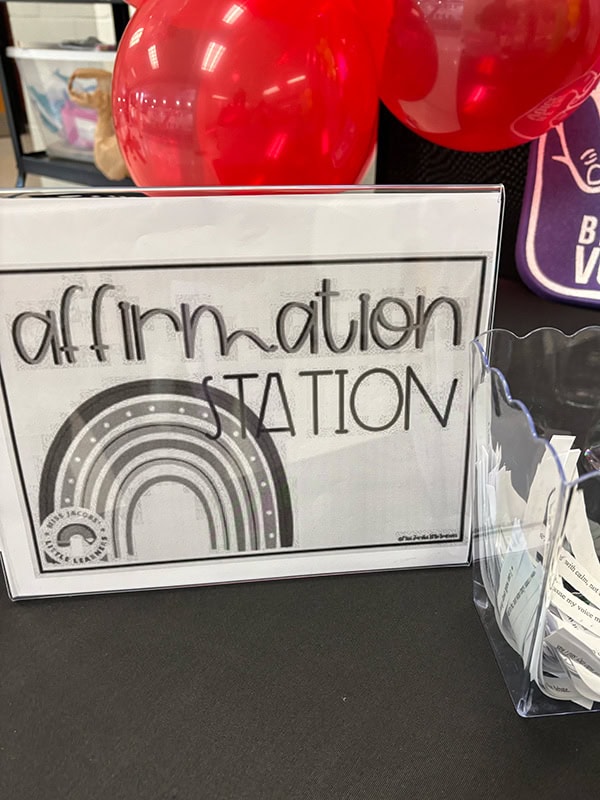
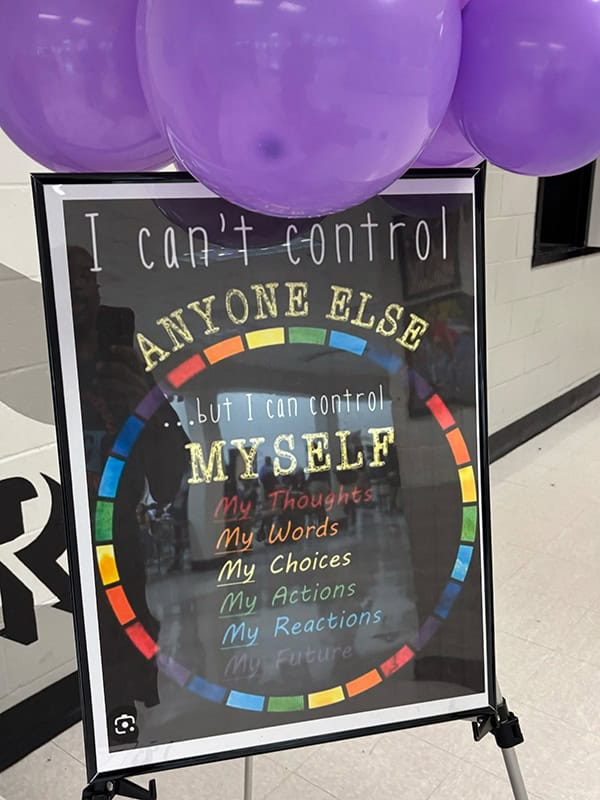
The team visits schools for “Thrive Times,” school-wide wellness-focused activities to build students skills in areas like healthy relationships, bullying prevention, conflict resolution, and self-regulation. They also host parent education sessions and even create dedicated wellness rooms to support the mental health of teachers too.   

“For people, especially parents, when you hear therapy or referral, it can be scary. We try to make it fun and do monthly activities centered around mental health to not have that negative stigma,” explained Student Behavioral Health Specialist Ashley Davis. 
For students who may need additional support based on behaviors teachers notice during their lessons, the team will also host a series of small group workshops.  

“After six weeks, we could see progress within the classroom,” said another Behavioral Health Specialist on the SPARK team, Aniya Allen. “A kid may make a mistake and want to yell out, but instead we’ll see them pick up their coping skills—they’ll pick up their stress ball or ask the teacher to take a moment outside.” 

These early interventions have led to a 15% reduction in K–2 referrals for behavioral evaluations across Clayton County Public Schools over the course of implementation, showing that supporting emotional and behavioral needs before they escalate can make a difference across the district. 

When stress balls aren’t enough 

Sometimes though, students need a more individual approach. According to Clayton County middle school counselors Dr. Jacqueline Cook and Nicole Darling, many students know they need support but can’t find the words to express what’s bothering them. Sometimes, they’re afraid of disappointing someone or even themselves. As school counselors, they work on building rapport by being a steady presence in the building. And when students need more intensive help, they lean on that rapport to explain what therapy is, and how it can make a difference. 

“We explain to them, sometimes you have all these different things going on in your head… that therapist is going to help you process those thoughts and streamline those thoughts,” said Dr. Cook.  

“Students see those balls rolling of how this could really help them because ‘I am worried about maybe something to eat. I am worried about homework. I am worried about football. I got all this just jumbled up.’ When we talk about, ‘let’s separate this, let’s process this, and that’s what therapy is about,’ they get it. They’re like ‘oh no, I do want that. I do want somebody to talk to.’” 

Dr. Willie Jones’s practice, Stepping Stones Intervention Services, works with Clayton County elementary and middle school students who have been referred through our SPARK partnership. He oversees a team of therapists who have seen 107 Clayton County students so far this year, in their office, virtually, and even in the school buildings, so transportation is not a barrier. 

His practice is just one of many that partner with us—our SPARK program has covered therapy for more than 5,000 uninsured students since 2020, sessions that without insurance would cost upwards of $150 per week.  

“When you don’t have insurance and we’re not able to bill through the schools, those kids won’t get any services, and a lot of times, those are the kids that really need it,” explained Dr. Jones. “There are also cases where you have hardworking parents with high deductibles and still can’t afford to pay for the services that are needed for their children. Usually those people are working all the time, so those kids are missing out on both parental time, and time to talk to a person who specializes in talking.”  

Before SPARK began, schools had no centralized way to connect students with mental health providers. Now, the funding and paperwork are handled directly through the schools, so that no students are denied services because of insurance status. 

“It honestly helps me sleep at night,” said Dr. Cook. “Having counselors feel comfortable coming in to speak with our kids has been amazing. Before SPARK, we didn’t have that centralized location where we could go. When we’d offer our parents different community providers, we didn’t know if they saw them. The SPARK program ensures kids get the help and support they need.” 

Clayton: A county that cares 

When deciding where to launch this district-wide partnership to put mental health support in schools, we started where we always do: in neighborhoods where our Child Well-Being Index® data shows that removing barriers to opportunity can make the greatest impact.  

In Clayton County, 32% of students—compared to 15% in our region—are forced to move during the school year, disrupting their learning process and impacting their mental health. 60% of families in the county make less than what is needed to cover basic necessities, 22 percentage points higher than Greater Atlanta as a whole.  

But another thing about Clayton stands out, and that is its deep care for the mental health and well-being of its children.  

>> RELATED: Forest Park Residents Steer Change 

Vinson Starr, the Mental Health Captain on the Behavioral Health specialist team, is a graduate of Clayton County Public Schools himself. “Clayton County has been good to me. They provide a lot of resources,” he said. 

“Mental health changes the trajectory of their academic achievements,” said Behavioral Health Specialist Ashley Davis. “A part of our mission statement is being able to have our kids globally ready to compete in the world. Not just out of Clayton County, not out of 285, but to be able to compete anywhere in the world because of the support, dedication, and love you got from Clayton County.” 
When you step back and look at a district-wide problem like student mental health, especially in the context of high poverty and frequent student mobility, progress can be hard to see. But for the entire SPARK team, those small victories are real, and they’re showing up in classrooms across the district. 

For Dr. Taylor, head of the program, it’s success stories like reaching a student who was at risk of expulsion due to behavior that she knew was deeply connected to trauma and untreated mental health needs. The SPARK program made sure that student received help, and could stay in school, changing the trajectory of their life. 

For school counselors Dr. Cook and Ms. Darling, it’s having students take agency over their own wellness, proactively coming to their office for advice or to ask when their next appointment is. It’s when parents come back to tell them, “Thank you.”  

And sometimes, it’s as simple as walking the hallways of a school and seeing students relate to each other with a smile. 

“When you talk about impact, sometimes it’s not recordable. It impacts attendance. It impacts the ability to socialize. You see a kid that’s smiling,” said Dr. Jones. “You don’t realize how important a smile is, how important laughter is. How important them wanting to go outside is. Those things are taken for granted sometimes, and these kids, they feel it.” 

United Way of Greater Atlanta’s SPARK partnership has impacted thousands of lives across one school district. Imagine the impact if every child in neighborhoods across Greater Atlanta had the same safety net of mental health support in schools. You can help us bring life-changing resources to the neighborhoods that need it most by donating today.  

Thank you for contacting us.
We have received your message and will get back to you shortly.

Thank you.

Class is in session! The subject? Mental health.

[]

Thank you for contacting us.

We have received your message and will get back to you soon!

Contact us